
Zarathustra and Life as an Elusive Beloved
Thus Spoke ZarathustraThis flow traces the book’s poetic relationship between Zarathustra and Life, whose beauty both sustains and unsettles his affirmations.
increasing Bearing strength in each event
 decreasing
Bearing strength in each eventdecreasingThe First Glance at Life
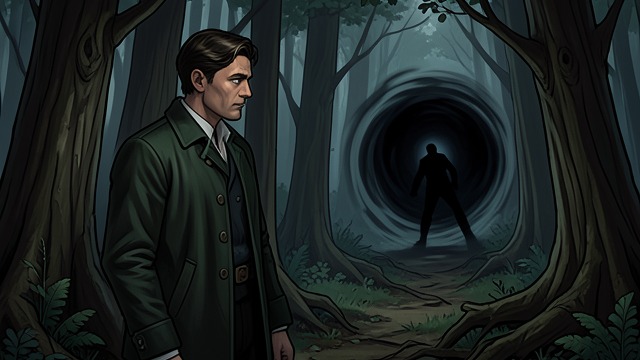
The First Glance at Life
Life appears as a partner
Zarathustra describes looking into Life’s eyes and seeming to sink into an unfathomable depth. Life answers by laughing and resisting the solemn interpretation.
Mystery becomes play
She insists that she is changeable and untamed, not the eternal or faithful ideal men imagine. Their exchange makes uncertainty part of the attraction.
Wisdom Enters the Triangle
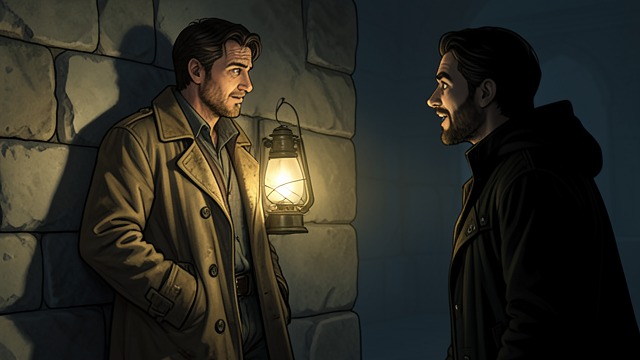
Wisdom Enters the Triangle
A second beloved
Zarathustra confesses his fondness for Wisdom, who resembles Life in her eyes, laughter, and elusive manner. His affection for each becomes entangled with the other.
Praise becomes self-knowledge
Wisdom accuses him of loving and praising Life because he desires her. The exchange reveals how even philosophical admiration carries appetite and personal attachment.
Evening’s Uncertainty
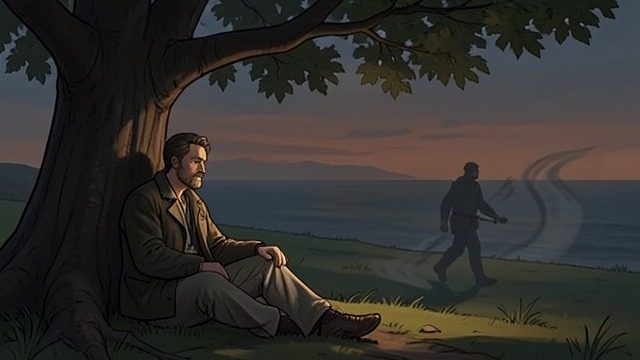
Evening’s Uncertainty
The mood shifts
After the girls leave, Zarathustra becomes sad and asks whether it is foolish to keep living. The playful intimacy with Life cannot protect him from the return of doubt.
Attachment survives the question
The song’s tenderness remains meaningful precisely because it does not settle the question of existence. Love and uncertainty share the same evening.
The Nightly Confession

The Nightly Confession
Life names Zarathustra’s thought
Life teases him for thinking about leaving her whenever the midnight bell sounds. Their conversation makes departure an intimate secret rather than a purely abstract decision.
Love competes with wisdom
Zarathustra says that Life has become dearer to him than Wisdom. His attachment does not erase the possibility of leaving; it reveals what such a departure would cost.
Joy Seeks Eternity

Joy Seeks Eternity
Love reaches beyond a moment
Zarathustra’s songs connect love of Life with the wish that a joyful moment return. The beloved is no longer merely a companion but the figure through which eternity becomes imaginable.
Affirmation includes pain
The song insists that wanting joy again also means accepting the suffering bound to it. The emotional bond becomes a test of whether love can embrace existence as a whole.
Part Two, during the Dance Song
Later in the Dance Song
At the end of the Dance Song
Part Three, during the Second Dance Song
During the final midnight song
